
When people think of ghostwriting, they often think of celebrity autobiographies or political memoirs. It’s true that’s a large part of the industry. After all, Prince Harry, Richard Branson, Andre Agassi, Michelle Obama, Hillary Clinton, Demi Moore, Laura Bush, Michael Jackson, Millie Bobby Brown, Donald Trump, John Kennedy and Ronald Reagan wrote books with the help of a ghostwriter.
However, ghostwriting in Miami isn’t limited to just these two types. In fact, many forms of writing we don’t typically associate with ghostwriting involve someone writing content on behalf of someone else, often without public credit. That is the very definition of ghostwriting.
Here are eleven examples of writing that are ghostwriting in disguise.
1. Academic papers. Students or professors hire ghostwriters to write essays, theses, dissertations, or research papers. Think Thornton Melon (Rodney Dangerfield) paying Kurt Vonnegut to write a paper on Vonnegut in “Back to School.” The student gets the credit for something he or she didn’t write.
While I have edited academic papers, I will never perform this kind of ghostwriting. But it does happen. In 2009, McGill University professor Barbara Sherwin was shown to have failed to disclose help from a ghostwriter she hired for a paper published in 2000.
2. Personal statements for college/job applications. Similar to the one above, people hire ghostwriters to do this, but I will only edit them, I’ll never write them.
3. Corporate blog posts. A CEO’s blog post is often written by a content team or PR writer but published under the CEO’s name. A LinkedIn article by a ghostwriter called ShadoInk explains that it’s a strategic necessity today.
CEOs are now expected to share their thoughts on social media, blogs, and in the press. However, the reality is that many of them don’t have the time or the writing expertise to consistently produce high-quality content. This is where ghostwriters come in—helping leaders articulate their message while remaining in the background.
4. Business books by entrepreneurs. Most CEOs don’t have the time to write their own stories, so they hire ghostwriters to do it. They spend a lot of time interviewing the CEO and writing chapters based on those conversations. It’s how I completed The Post-COVID Marketing Machine by Guy R. Powell. He and I spoke weekly about a chapter, then I wrote it in five days, then we met again and went over what I had written, then the cycle repeated. After three months, he had a finished manuscript.
5. Social media content. Many influencers, celebrities, or business leaders don’t write their tweets, LinkedIn posts, or Instagram captions. A team member or freelancer often handles the ghostwriting.
I read an article on Medium that told of a ghostwriter named Chris Jones making more than $200,000 in 2022 writing tweets for athletes, reality starts, and brands. The article also mentioned that some high-volume celebrity accounts use multiple ghostwriters to put out twenty or more posts across various social media sites.
6. Email newsletters. If you get a newsletters from public figures or companies, they’re probably written by a marketer or ghostwriter. Eliza Carter wrote an article explaining why a ghostwriter is a good fit for a newsletter: Ghostwriters give it their unique voice, they possess professional writing experience, they understand SEO, they give constructive feedback, and they free you up to do something else.
7. Online dating profiles. This one is near and dear to my heart. Professional ghostwriters are often hired to craft dating bios and even reply to messages on behalf of clients. When I was a copywriter, I did it twice because two women clients wanted to sound different and unlike all the other people online.
8. Political speeches. Just about every speech a politician gives has gone through ghostwriting. According to presidential profiles.com, Woodrow Wilson was the last president to write his own speeches. FDR relied on four people, including poet Archibald MacLeish. William Safire wrote for Richard Nixon, Peggy Noonan wrote for Reagan and the first President Bush. Even George Washington’s Farewell Address was mostly written by Alexander Hamilton.
Heck, I even dabbled in it. A woman in one of my networking groups ran for state and federal office, and I took her raw words and fashioned speeches out of them. It was so much fun because she was politically opposite me, so it felt like I got to be somebody else.
9. Award acceptance speeches. I don’t mean the ones where the winner obviously sputters and rambles and thanks a slew of people only he or she knows. I mean the kind where the award is announced in advance, or the winner is so likely obvious that he or she has the time to prepare the words by hiring somebody.
An example of that was Brad Pitt. He had won seventeen different acting honors for his work in “Once Upon a Time in Hollywood.” According to Vulture, an anonymous source confirmed Pitt used an outside agency for ghostwriting some of his acceptance speeches leading up to the Academy Awards (the article came out before Pitt won the Oscar, his eighteenth win for that movie).
On a much smaller scale, I’ve written speeches for honorees including an attorney who won a trial lawyers lifetime achievement award, and a funeral director who was named a legend of his school.
10. Real estate listings. Agents rarely write the poetic descriptions of homes themselves; marketing pros or copywriters often do the ghostwriting. An example of his, per SoFi Learn, are “whisper listings,” which are “properties promoted to an exclusive group of trusted agents to find a buyer who can pay the desired asking price.” If you’re not in the know, you’ll never know the property was for sale.
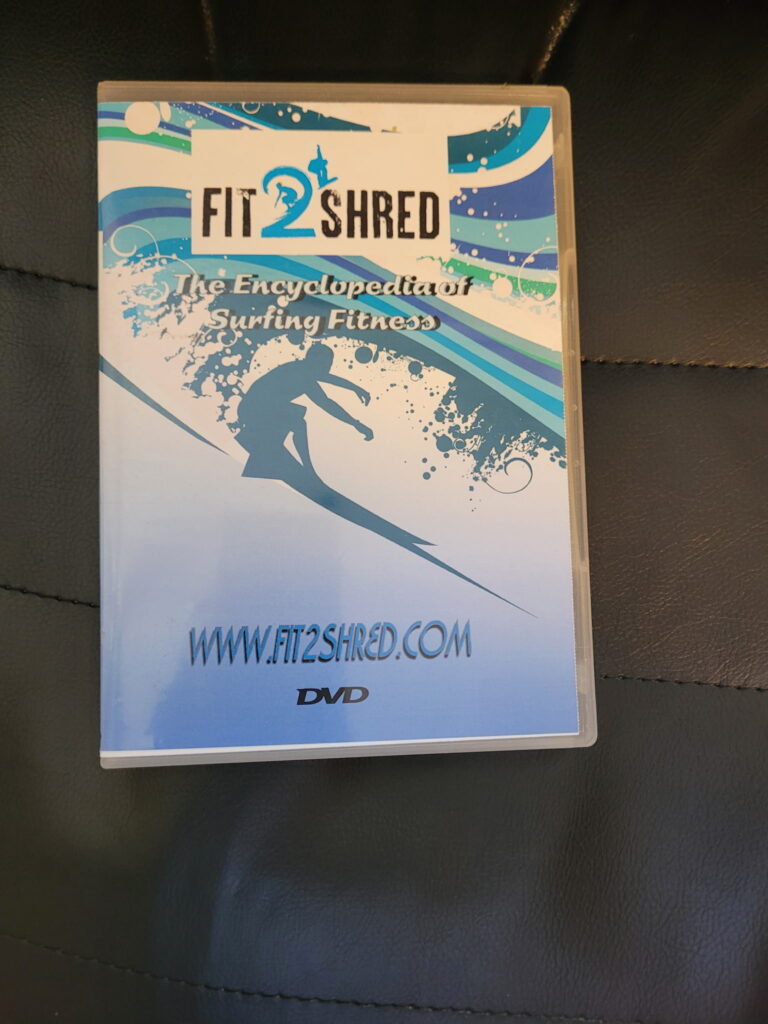
11. Scripts. Years ago, I wrote a script for a DVD that showed people how to do exercises on land that used the same muscles one would use when surfing or skiing.
That’s one type of script. Another type is when talk show or podcast hosts use words, either as an outline or actual questions, to converse with a guest. If you’ve noticed the blue cards Stephen Colbert or Jimmy Kimmel have at their desks, those contain the info they’re going to use with a guest. The staff might’ve had a hand in writing some or all of the cards’ contents.
The next time you read something without a name on it (or sometimes a name is on it), consider it might have been ghostwritten.
Feel free to read and check out my other posts related to ghostwriting. Go to leebarnathan.com/blog.
Let's Start A New Project Together
Contact me and we can explore how a ghostwriter or editor can benefit you.
