
Last week, I wrote this: “People think ghostwriters just write.”
This makes sense if you think about it. You watch a movie or a TV show that features a writer, and he or she is seen as a solitary figure sitting at a desk writing or pounding away on a keyboard.
What it doesn’t show you is everything that writer did before that scene: all the research, all the preparation, all the interviews.
I’ve had projects where I didn’t write a single sentence for the first three months. I wasn’t procrastinating. I was laying the foundation.
When you hire a ghostwriter, understand that there’s a tremendous amount of work going on behind the scenes, and it’s this work that helps determine if your manuscript becomes a bestseller or fails to catch on.
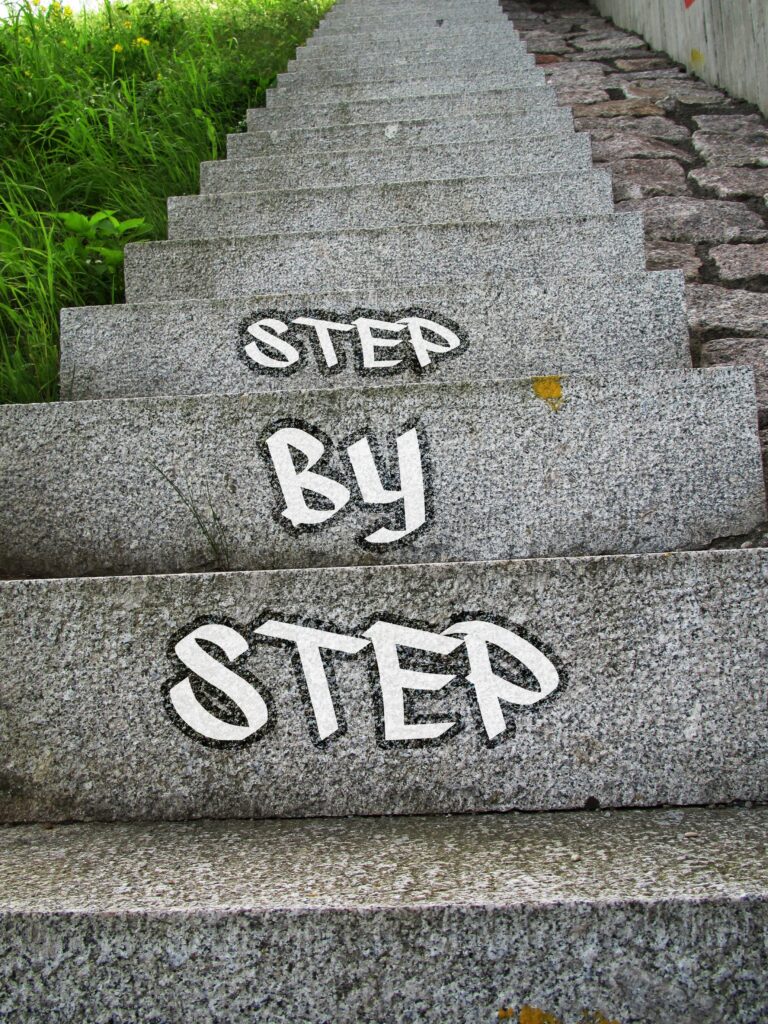
Step One: It starts with listening.
Before I can do any writing, I have to know the story. To know the story, I have to listen to you tell your story. That means I have to interview you—a lot. I have to have numerous conversations with you. I have to ask you a lot of open-ended questions that usually begin with who, what, where, when, how, and why. I have to learn what motivates you to want to tell this story and what motivates you to want to include this part or that part or this anecdote or this philosophy. And so on.
Oh, and I have to guide you because you most likely won’t tell the story in perfect chronological order. You’ll tell me the parts that you remember first, and those are usually the most emotionally resonant parts. I have to fill the holes you leave with my questions.
It’s a puzzle I have to assemble. One key to that puzzle is figuring out…
Step Two: What is the book really about?
Most of my clients think they know their book, and they’re sometimes right. The client who married a psychopath, suffered PTSD, had to defend herself without a lawyer, and later got the law changed knew her story was an inspirational one to show other women that they can overcome their bad situations.
But sometimes the client just knows the topic, not their story.
It’s up to me to help them see that the central theme isn’t what they thought. A schoolteacher with a heart ailment wanted to tell about how he recovered in just one summer, but the real story was how his wife refused to pull the plug, which allowed him to wake up after a sixteen-day coma and fully recover.
A pair of brothers wanted to tell about life in the South Bronx a la “The Wonder Years.” The real story was how their choices of joining a gang or not affected their lives.
In the first case, the wife refused to get involved, so that story couldn’t be told. But in the second case, we told that story.
Sometimes, clients begin with one notion and end with a completely different manuscript. Once we know our arc, we can tackle…
Step Three: Begin to organize.
Since clients don’t think in chapters, it’s up to me the ghostwriter to make it coherent. I need to take your random stories, disconnected memories, partial conversations, emotions, and sometimes media like photos, videos, songs, and determine what fits, what doesn’t, and where it all belongs.
Does the client’s fishing expedition fit? Is the trip to the wellness retreat better for chapter thirteen or fourteen? Do I agree that this teacher receiving an award is the right way to end the book? I had to answer these three questions from three different client stories.
What remains becomes the outline. But even outlines contain inconsistencies and errors, which is why we need…
Step Four: Research and verify.
Memories can be inexact, incomplete, and wrong. Like the time a guy told me he was listening to a song in 1982 that didn’t come out until two years later.
I’ll need to check dates, verify locations, make sure names are spelled correctly, look up relevant historical events, ensure technical information is accurate, and check statistics. Additionally, I look for gaps: missing context, unclear motivations, faulty assumptions, and questions that go unanswered. People remember what happened, but they often forget there are details that have to be included so the reader will know and understand everything.
I do all this because your credibility matters, and the truth is an absolute defense against improbability. If your story can be demonstrably disproven, why would anyone want to read your book?
Step Five: Coach if needed.
No ghostwriting project moves smoothly. You might have moments of self-doubt that you are remembering everything. You might get nervous and think the story really isn’t compelling enough. You might feel vulnerable when sharing uncomfortable details.
The truth is writing a book can be exhausting. I had a client who got so triggered from time to time, we had to stop a session early or reschedule because she couldn’t handle things at that moment.
A ghostwriter’s job is to maintain momentum and keep the project moving. I’ll need to gently remind you that this moment of doubt or nerve or insecurity or uncertainty is perfectly normal, and I will be here with you to see this project through.
Step Six: Protect the reader.
This might seem unusual, but I need to make sure I keep the target audience in mind the whole time. I need to ask you, “Will readers understand this?” “Is this confusing?” “Is this self-indulgent?” “Is this repeating something we’ve already covered, and if so, which way is better?” “Does this belong?”
Again, if the book isn’t being written for the target audience, it’s not going to resonate with them. For example, I recently spoke to a prospect whose target audience is incarcerated people. Many of them speak a certain way, so I would need to ensure I use the vocabulary that the audience will recognize.
At the same time, I’ve got to …
Step Seven: Capture your voice.
My job is to preserve your personality. That means I need to understand your vocabulary, your verbal rhythms, your sense of humor, whether you speak in long sentences or short ones, your favorite expressions, and the emotions you convey when you speak.
I do a lot of this during Step One, but it continues here. The interviews are where I discover your voice. But I also have to make some choices such as…
Step Eight: What doesn’t belong?
This is related to Step Two. Great ghostwriting is more than just telling the story. It’s finding the true story, and once that’s done, it becomes easier to eliminate details, stories, anecdotes, and events that aren’t relevant.
Take the Bronx brothers. One told a story about a pet rooster that wouldn’t stop crowing and annoyed the neighbors. One day, the brothers came home from school and were told the rooster flew away. Guess what they had for dinner that night?
It was a great story, but it had nothing to do with the overall narrative, so it got cut.
There is a difference between favorite stories, interesting stories, and necessary stories. Only one of these belongs.
Step Nine: Now the writing can begin.
The interviews have been done, the information has been researched and compiled, we know the story, we have the outline, I’ve got a sense of your voice, and we know your audience.
The writing will be easier and more natural now. We have structure, themes, chronology, and verified facts.
Ghostwriters don’t just write. While it’s certainly part of the job, by the time I’ve written the first chapter, I’ve already spent weeks or months listening, asking, challenging, organizing, researching, verifying, coaching, and helping you discover the better story you might not have realized you had.
If you’re thinking about a book and want to talk through whether we’d be a good fit, take a look at some of my other posts on ghostwriting at https://leebarnathan.com/blog/ or reach out directly to set up a conversation.
Let's Start A New Project Together
Contact me and we can explore how a ghostwriter or editor can benefit you.
